How Do Ocean Currents Influence Humpback Whale Movement Around Samaná Bay?
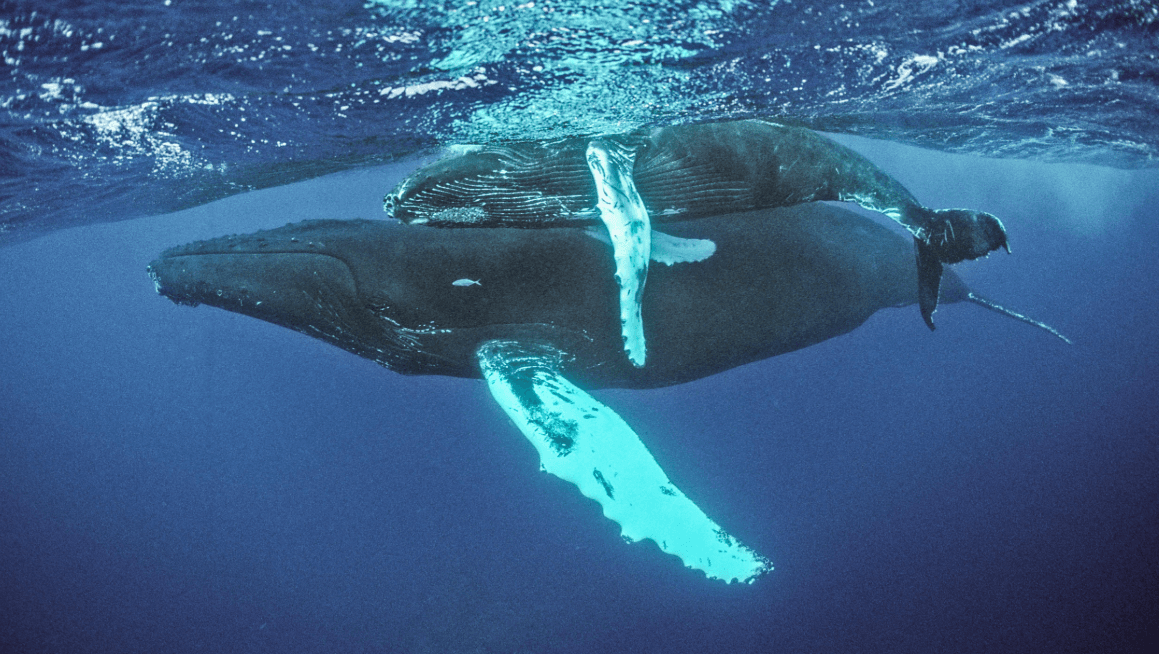
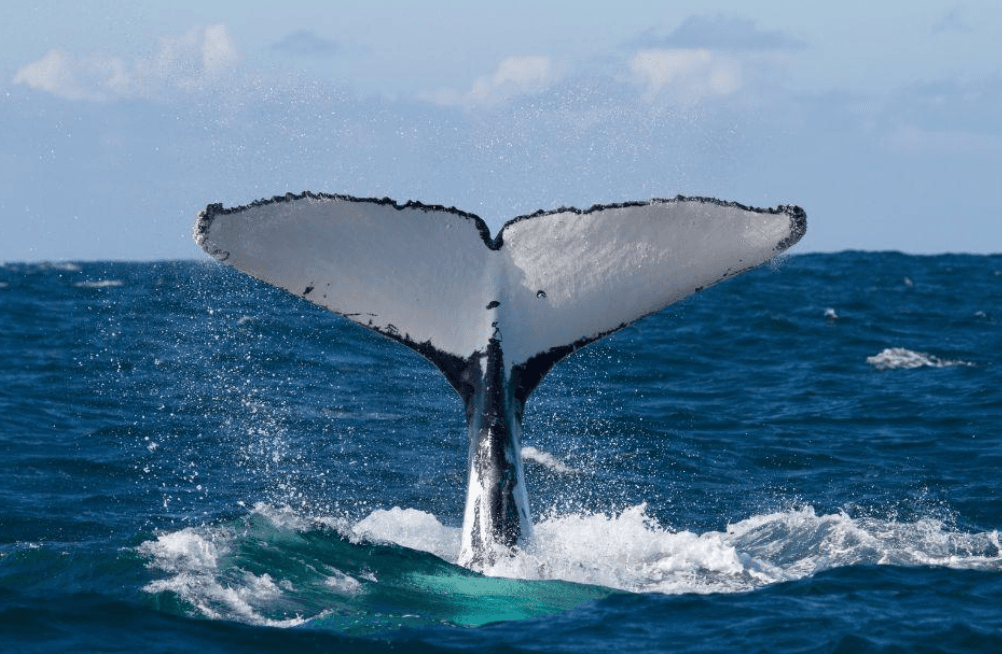
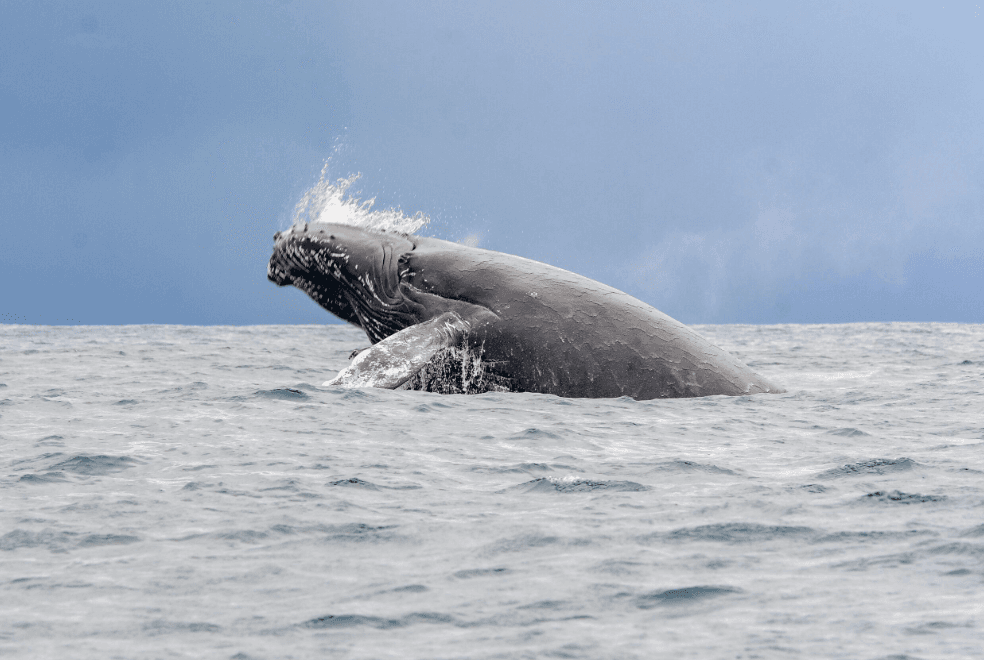
Every winter, humpback whales travel to the warm waters of the Dominican Republic, making Samaná Bay an important destination for whale watching. During the breeding season, visitors may see whales surfacing, diving, changing direction, or traveling through different parts of the bay.
One factor that may influence these movements is the movement of seawater itself. Ocean currents transport water from one place to another, potentially affecting how much effort a swimming whale needs to travel in a particular direction.
But how much do currents influence humpback whales, and how can scientists tell whether a whale is swimming actively or being carried by moving water?
Understanding the relationship between currents and whale movement offers another way to appreciate the marine environment around Samaná Bay.
What Are Ocean Currents?
Ocean currents are movements of seawater caused by several interacting factors, including winds, differences in water density, tides, and the shape of the coastline and seafloor.
Some currents move over large distances, while others vary locally and change with tides or weather conditions. Water movement can also differ between the surface and deeper layers.
Around Samaná Bay, local water movement is influenced by the surrounding coastline, the connection with the wider Atlantic Ocean, and changing environmental conditions.
These movements create a dynamic habitat for humpback whales and other marine animals.
Do Ocean Currents Change How Humpback Whales Swim?
Yes, currents can affect a whale's movement relative to the surrounding water and the seabed. However, a current does not necessarily determine where the whale goes.
Humpback whales are powerful swimmers that can actively change direction, speed, and depth. Depending on the direction and strength of a current, a whale may experience assistance or resistance as it travels.
For example, a current moving in the same direction as a whale may help it make progress relative to the seabed. A current moving in the opposite direction may require more swimming effort to maintain the same ground speed.
A whale can also swim across a current rather than directly with or against it. Its actual path depends on its swimming behavior and the movement of the water around it.
How Can Scientists Tell Whether a Whale Is Swimming or Drifting?
One of the most interesting challenges in marine research is distinguishing an animal's own movement from the movement of the water surrounding it.
A whale that changes position relative to the seabed is not necessarily swimming at that exact speed through the water. The surrounding current may contribute to its overall movement.
Researchers can investigate this difference by combining several types of observations:
- Whale tracking: Photographs, visual observations, satellite tags, or other suitable tracking methods can help researchers estimate a whale's movement over time.
- Current measurements: Instruments such as acoustic Doppler current profilers can measure water velocity at different depths.
- Location comparisons: Researchers can compare the whale's movement with measured water movement in the same area.
- Behavioral observations: Repeated surfacing, directional changes, and other visible behaviors may provide clues about what the animal is doing.
These methods have different limitations. A photograph from a whale-watching boat, for example, usually cannot reveal whether a whale is being carried by a current or swimming against it.
Combining tracking and oceanographic measurements can provide a more reliable picture.
Why Does the Direction of a Current Matter?
The direction of a current affects the relationship between a whale's swimming speed and its progress across the surrounding environment.
Imagine a humpback whale traveling toward an area of the bay where it encounters a current moving in the same direction. The water movement may help carry it forward.
If the current moves in the opposite direction, the whale may need to swim harder to maintain similar progress relative to a fixed point on the coast.
Cross-currents can also shift the whale's path relative to the seabed. The animal may compensate by adjusting its swimming direction.
These are general physical effects, not evidence that every whale in Samaná Bay follows a predictable current-driven route.
Can Currents Influence Where Humpback Whales Appear?
Currents may contribute to local differences in whale movement, but sightings depend on several factors.
Humpback whales move through the bay for reasons connected with their seasonal presence, social interactions, reproduction, resting, and travel. Their behavior also varies among individuals.
Water movement is only one part of this picture. Water depth, coastline shape, sea conditions, and the whale's own swimming decisions may all influence where it appears.
For whale watchers, this means a whale seen in one location on one day may surface somewhere else later. It would be misleading to attribute that change to ocean currents alone without supporting observations.
How Do Currents Affect Whale-Watching Observations?
Ocean currents can influence the movement of floating objects, surface patterns, and the position of a boat relative to the surrounding water. They can therefore affect the conditions under which whale watching takes place.
However, a boat and a whale do not necessarily move in the same way. A vessel's position also depends on its engine, steering, wind, and operating practices.
Guides may use their knowledge of local sea conditions to navigate responsibly and position their vessels for observation. Responsible operators should always prioritize applicable whale-watching rules and appropriate distances rather than chasing a whale because its position changes.
Visitors should also remember that a whale may remain underwater for a period before surfacing again. Its next appearance may be influenced by its own movement, the boat's position, and the time between observations.
Are Ocean Currents the Same Throughout Samaná Bay?
No. Water movement can vary by location, depth, tide, wind, and other conditions.
A current near the entrance to the bay may not have the same direction or speed as water farther inside. Surface movement can also differ from water movement below the surface.
This variation makes it difficult to describe a single current pattern that always governs humpback whale movement throughout the area.
Scientists need measurements taken at relevant locations and times to understand local conditions accurately. General knowledge about ocean circulation can provide useful background, but it cannot replace direct observations of the bay.
Do Humpback Whales Use Currents to Save Energy?
It is physically possible for a swimming whale to benefit from a favorable current, just as it is possible for a current to increase the effort needed to travel in another direction.
However, demonstrating that a whale deliberately selects a route to exploit a current requires more evidence than observing it moving with the water.
Researchers would need to compare the animal's movement, the current's direction and strength, and the behavior of the whale over time. They would also need to consider alternative explanations for its route.
It is therefore more accurate to say that currents can influence the energetic costs of swimming than to assume every humpback whale intentionally follows currents to conserve energy.
What Can Visitors Learn From Watching Whale Movement?
Visitors do not need scientific instruments to appreciate how dynamic the bay is. Observing the sea carefully can help them understand that the marine environment is constantly changing.
During a whale-watching trip, you might notice:
- A whale surfacing at a different location from its previous appearance.
- Surface ripples or drifting foam that indicate water movement.
- Changes in the vessel's position caused by wind or currents.
- Differences in visibility and sea conditions during the trip.
These observations can provide useful context, but they cannot independently establish the direction or strength of an underwater current.
Enjoying whale watching also means accepting that wild animals move unpredictably. A responsible trip observes their behavior without attempting to force an encounter.
Frequently Asked Questions
Do ocean currents carry humpback whales around Samaná Bay?
Currents can contribute to a whale's movement relative to the seabed, but humpback whales also swim actively and can adjust their direction. Their observed movement reflects both their own swimming and the surrounding water.
Can a whale swim against an ocean current?
Yes. Humpback whales are capable swimmers and can move against currents. The effort required depends on the strength of the current, the whale's swimming speed, and other conditions.
Can ocean currents predict where whales will surface?
Not reliably on their own. Surfacing locations also depend on the whale's behavior, direction of travel, dive duration, and other factors. Current data may help researchers interpret movement, but it cannot guarantee a sighting location.
Are currents stronger at the surface or underwater?
It depends on local conditions. Water velocity can vary with depth, and the surface current may differ from currents farther below. Researchers use instruments to measure these differences.
Can whale-watching guides use currents to find whales?
Knowledge of local conditions may help guides understand the environment and navigate safely. However, current direction alone is not a dependable method for locating a whale, and responsible operators must follow applicable wildlife-viewing rules.
What is the difference between swimming speed and movement over the seabed?
Swimming speed describes movement relative to the surrounding water, while movement over the seabed describes how the animal's position changes relative to the ground below. Currents can make these two speeds different.
Conclusion
Ocean currents are an important part of the marine environment surrounding Samaná Bay. They can affect how humpback whales move relative to the seabed, influence the effort required to travel in different directions, and contribute to changing conditions during whale-watching trips.
Still, currents are only one piece of the puzzle. Whale behavior, swimming direction, water depth, and local environmental conditions also help explain where whales travel and where they surface.
By combining whale observations with measurements of moving seawater, scientists can better understand how these remarkable animals interact with their environment. For visitors, this knowledge adds another layer of appreciation to every encounter with humpback whales in the Dominican Republic.

Local explorer & expert guide in Glamping Los Haitises.